Returning to Exercise After Having a Baby: A Physio’s Guide
You’ve grown and delivered a whole new person. Then, somewhere between the night feeds and the nappy changes, you start wondering: when can I get back to exercise – and where do I even start? As a physiotherapist, this is one of my favourite conversations to have, because the right approach makes such a difference. Here’s my honest guide.
The short answer
- Start gently and build gradually – your recovery isn’t a race
- Follow your GP or obstetrician’s advice, especially after a caesarean section
- Your pelvic floor and deep tummy muscles need rebuilding before high-impact exercise
- Abdominal separation is common – and a physiotherapist can assess it
Forget “bouncing back”
Social media loves a “back in my jeans at six weeks” story. I’d love us to drop that pressure entirely. Pregnancy and birth place enormous demands on your abdominal muscles, pelvic floor and back, and they deserve a proper, progressive recovery – the same way you’d rehab any other part of your body after a big event. Rushing back to running or intense classes before you’re ready is one of the most common reasons people end up with leaking, pelvic heaviness or back pain months later.
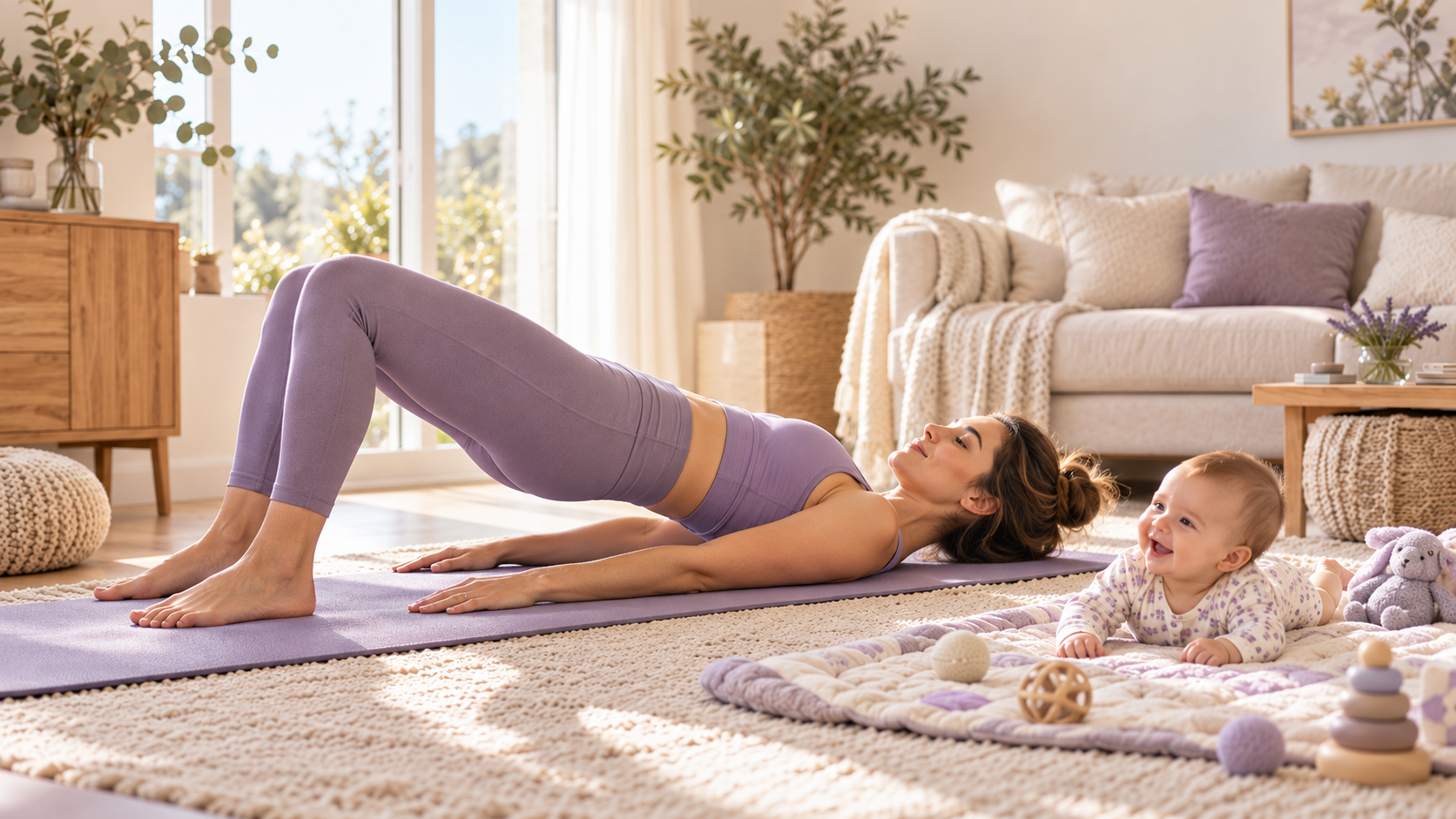
The good news: done well, exercise after birth is brilliant for you. Research on postnatal Pilates has found positive physical effects – increased strength, flexibility and stability – as well as positive effects on mood, fatigue and confidence, and reduced low back, pelvic girdle and hip pain.
A rough roadmap (not a rulebook)
Everyone’s pregnancy, birth and recovery is different, so treat this as a general picture and always follow the advice of your own medical team:
- The early weeks: rest, gentle walking as you feel able, breathing exercises and gentle pelvic floor exercises.
- After your postnatal check: once your GP has checked you, you can usually start building more structured, low-impact exercise – like postnatal Pilates.
- Building strength: progress your core, pelvic floor, glutes and upper body gradually, adding load as you feel strong and symptom-free.
- Higher impact: running, jumping and intense classes come later. Commonly cited UK guidance suggests waiting until at least around 12 weeks before returning to running – and only when you’re symptom-free.
After a caesarean section, you’re also recovering from major abdominal surgery, so your timeline may be longer. Your obstetrician’s advice always comes first.
Let’s talk about abdominal separation
During pregnancy, the tissue between the two sides of your “six-pack” muscles stretches to make room for your baby. This separation – diastasis recti – is very common and often improves in the weeks after birth, but for some people it persists. You might notice a gap along the middle of your tummy, or a “doming” ridge when you sit up from lying down.
It’s not something to panic about, and it’s not a reason to avoid exercise – it’s a reason to do the right exercise. Research has found that sustained contraction of the abdominal muscles can have a positive effect on reducing it. That’s why at PREP Physio, I assess for abdominal separation before you start any form of Pilates, so your programme is right for your body.
Signs it’s worth seeing a physiotherapist
- Leaking when you cough, sneeze, laugh, lift or exercise
- A feeling of heaviness, bulging or dragging in your pelvis
- Ongoing low back, pelvic or hip pain
- A visible gap or doming along the middle of your tummy
- Pain during exercise, or simply not knowing where to start
These are common after birth – but common doesn’t mean you just have to live with them. A physiotherapy assessment is a very good first step.
Three things you can start this week
- Connect your breath and pelvic floor. As you breathe out, gently lift your pelvic floor (as if stopping the flow of wind and urine) and draw your lower tummy softly in. Relax fully as you breathe in.
- Walk. Pram walks count! Start short and build gradually.
- Mind your lifting. Bring your baby, car seat and shopping close to your body, bend your knees, and breathe out as you lift.
Why Pilates works so well postnatally
Pilates is a low-impact postural muscle conditioning programme, which makes it an ideal starting point. Postnatal Pilates can help to:
- Strengthen your stomach muscles and pelvic floor
- Strengthen your upper body and back – useful for all that lifting and feeding
- Decrease low back and pelvic girdle pain
- Improve mobility, body awareness and confidence
- Give you a structured, safe progression back to the exercise you love
1:1, around your baby’s schedule. All pre & postnatal Pilates at PREP Physio is 1:1 with me – there are no group classes – so every session is built around your body and your recovery, at times that suit your baby’s routine. If you’d like to build strength more generally, our clinical Pilates is 1:1 too.
Still pregnant?
If you’re reading ahead, starting now is a great idea. Prenatal Pilates can help prepare your body for birth and recovery, and a pregnancy massage can ease the aches along the way.
Frequently asked questions
When can I start exercising after having a baby?
Gentle walking, breathing and pelvic floor exercises can often start early on. More structured exercise usually follows your postnatal check, building up gradually. Always follow your own GP or obstetrician’s advice.
Is postnatal Pilates a class or 1:1?
At PREP Physio, all pre and postnatal Pilates is 1:1 with a Chartered Physiotherapist, so each session is tailored to you and your stage of recovery.
Can I start Pilates after a caesarean section?
Please follow your obstetrician’s advice on when to return to exercise after a caesarean. We assess you before you start, so your programme suits your recovery.
Will abdominal separation go away on its own?
It often improves after birth, but doesn’t always fully resolve. A physiotherapist can assess it and guide you on the right exercises.
About the author
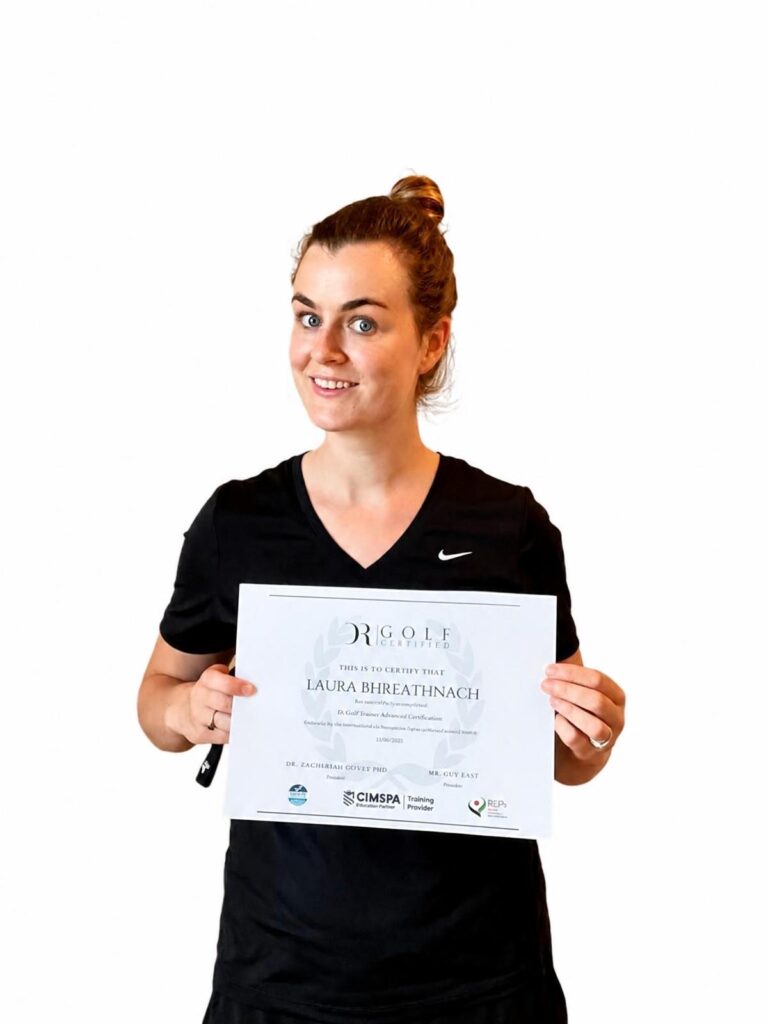
Laura Bhreathnach
Laura is the Managing Director and Senior Chartered Physiotherapist at PREP Physio in Ballsbridge. She holds an MSc in Advanced Physiotherapy from UCD and has over 10 years’ experience in private practice and elite sport, including Scottish Rugby and Scottish Golf.
Book an appointment at PREP Physio
62 Baggot Lane, Ballsbridge, Dublin 4 – Monday to Friday, 7am to 7pm.