
Dry needling in Ballsbridge, Dublin 4
Some muscle pain just won’t let go: a knot under your shoulder blade, a calf that tightens every time you run, a neck that stiffens after a long week at the desk. Dry needling targets those stubborn, sensitive spots directly, using a very fine needle to help the muscle release so you can move and train more freely.
- Chartered Physiotherapists
- Part of a normal physio session
- Single-use sterile needles
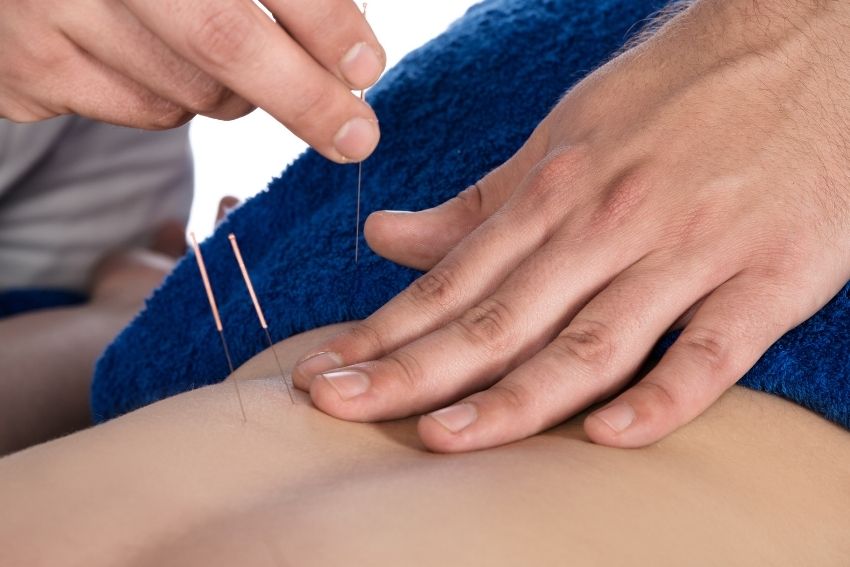
What is dry needling?
Dry needling uses a thin, solid needle, the same kind used in acupuncture, placed into a myofascial trigger point. That’s the medical name for a tight, tender band inside a muscle that often refers pain elsewhere. A trigger point in your upper trapezius, for example, can feel like a headache behind the eye.
It’s called “dry” because nothing is injected. The needle itself does the work: it can cause the muscle to twitch and then relax, ease local sensitivity and help restore normal movement. It’s based on modern anatomy and muscle physiology, which is what separates it from traditional acupuncture.
What it’s commonly used for
Neck & shoulder tension
Desk-related tightness through the upper traps and around the shoulder blade.
Tension-type headaches
Where tight neck and jaw muscles are feeding the pain.
Low back & glute pain
Muscle spasm and guarding that make bending and sitting uncomfortable.
Running & gym niggles
Tight calves, hamstrings, hip flexors and ITB-area muscles that limit training.
Tennis & golfer’s elbow
Overloaded forearm muscles that make gripping painful.
Recovery from strains
Muscles that stay tight and protective after an injury has healed.
Dry needling works best as one part of a plan, not a stand-alone fix. We use it to settle pain and tension quickly, then follow up with exercise so the problem doesn’t keep coming back.
No extra charge for needling
Dry needling is included in your physiotherapy session, so there’s nothing extra to pay, and it can be claimed as physiotherapy on most Irish health insurance plans.
Cover varies by policy, so check your level of cover with your insurer. You’ll get a receipt for every session.What happens in a session
- Assessment first. We find out what’s actually driving your pain and check dry needling is right for you, including your medical history and any medication.
- Your consent. We explain what we’re going to do and why, and only needle if you’re happy to go ahead.
- Needling. A fine, single-use needle is placed into the trigger point. You may feel a brief twitch or a deep ache that reproduces your familiar pain; that’s usually a sign we’ve found the right spot.
- Movement straight after. We retest your movement and add stretches or exercises while the muscle is at its most relaxed.
Afterwards: it’s normal to feel a little sore, a bit like after a hard workout, for 24–48 hours. Keep moving, stay hydrated and use heat if it helps.
Who provides dry needling at PREP
Three of our team are trained in dry needling, so you can have it within physiotherapy or alongside a sports massage.
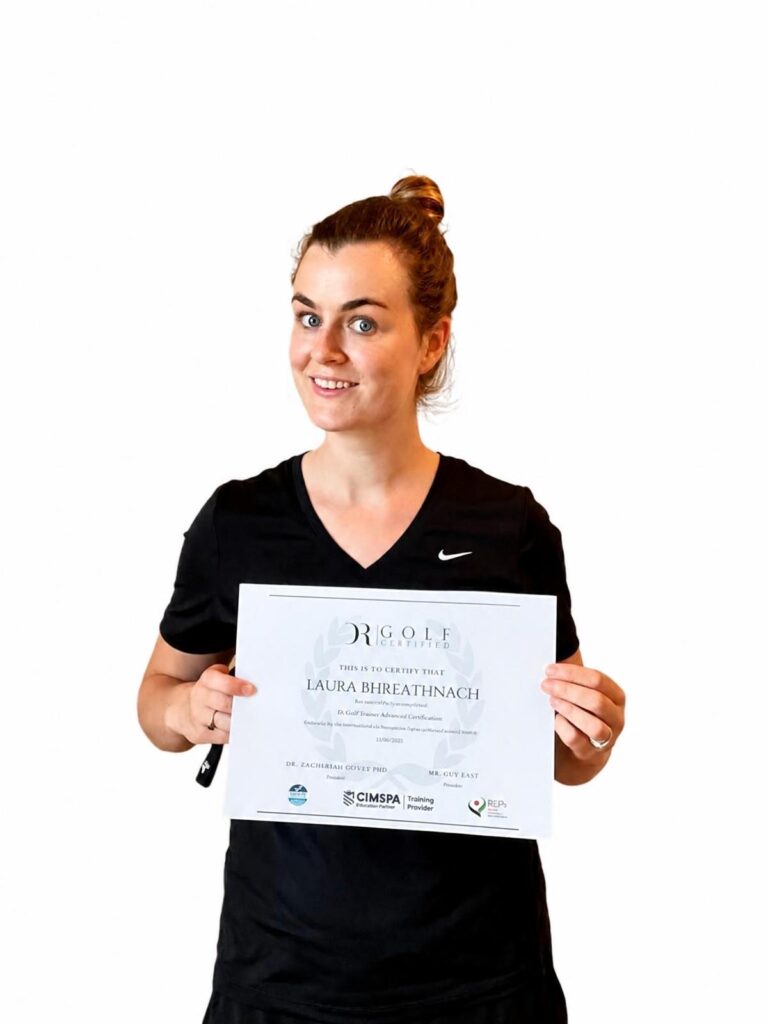
Laura Bhreathnach
Senior Chartered Physiotherapist
Combines needling with hands-on treatment and strength work, especially for back, hip and sports injuries.

Ciara Sheridan
Senior Chartered Physiotherapist
Uses needling to settle pain so you can get moving, then builds your control and strength.
Murillo Dalmazo
Sports Massage Therapist
Adds needling to sports massage for tight, overworked muscles in active people.
Is dry needling right for me?
Most people can have dry needling safely. We’ll use a different approach if you:
- Have a strong fear of needles
- Take blood-thinning medication or have a bleeding disorder
- Are pregnant (we’ll discuss your options)
- Have a skin infection or broken skin over the area
- Have a pacemaker, lymphoedema or a weakened immune system
Not keen on needles? That’s completely fine. Dry needling is always optional, and there are plenty of other ways to treat the same problem.
Price
Physiotherapy with dry needling
45 minutes, with Laura or CiaraExtended physiotherapy session
60 minutes, for more complex problemsSports massage with dry needling
60 minutes, with MurilloRelated treatments
- Acupuncture – traditional acupuncture for pain and overall wellbeing
- Sports injury physiotherapy – get back to training with a clear plan
- Back pain & sciatica – assessment and treatment with Laura
- Physiotherapy – everything we treat, and how
From the blog: Dry needling vs acupuncture: what’s the difference? →
Dry needling FAQs
Does dry needling hurt?
The needle is very fine, so most people barely feel it go in. When it reaches a trigger point you may feel a quick twitch or a deep ache for a second or two. Mild soreness for a day or two afterwards is normal.
What’s the difference between dry needling and acupuncture?
Both use the same fine needles. Dry needling targets tight trigger points inside a muscle and is usually quick, in and out. Acupuncture, which we practise in the traditional way, places needles at points along the body’s meridians and usually leaves them in for 15–30 minutes. We use whichever suits your problem.
Does it cost extra?
No. Dry needling is part of a normal physiotherapy session (€80 for 45 minutes) or a sports massage with Murillo (€90 for 60 minutes).
Can I claim it on my health insurance?
When it’s part of a physiotherapy session, it’s claimed as physiotherapy, which is covered on most Irish health insurance plans. Check your own policy for your level of cover.
How many sessions will I need?
Many people notice a change after the first session. How many you need depends on the problem, and your physio will give you a clear plan at your assessment.
Can I train after dry needling?
Light movement is encouraged. We usually suggest avoiding a very hard session on the same day and waiting until any soreness settles.
Book dry needling in Ballsbridge
With Laura, Ciara or Murillo at 62 Baggot Lane, Dublin 4. Monday to Friday, 7am to 7pm.