
Back pain & sciatica physio in Ballsbridge
Back pain can make everything harder: sleeping, sitting at your desk, lifting the kids, getting out for a run. The reassuring news is that most back pain, including sciatica, improves with the right treatment. Low back pain is Laura Bhreathnach’s main clinical interest, and she has worked on the spinal triage team at the Mater Private Hospital.
- Spinal specialist interest
- McKenzie-trained
- No GP referral needed

Types of back pain we treat
Sudden low back pain
The “I bent down and it went” episode that locks you up for days.
Sciatica
Pain, pins and needles or numbness travelling down the buttock and leg from an irritated nerve.
Disc-related pain
Including bulging or “slipped” discs, often worse with sitting and bending.
Desk & posture-related stiffness
The ache that builds over a long working day.
Recurring back pain
Back pain that keeps coming back every few months.
Pelvic & SIJ pain
Including pain in and around pregnancy. See pre & postnatal Pilates.
What is sciatica?
Sciatica isn’t a diagnosis in itself. It describes symptoms caused by irritation of the sciatic nerve or the nerve roots in your lower back. Most often it comes from a disc pressing on or inflaming a nerve root. You might feel sharp or burning pain down the back of the leg, pins and needles, numbness or weakness, and the leg can hurt more than the back itself.
It can be frightening, but most cases settle with conservative care: the right movement, the right advice and time. Our job is to find out what’s irritating the nerve, calm it down and guide you back to normal activity.
When to seek urgent medical help: if back pain comes with numbness around your saddle area, new difficulty passing urine or controlling your bladder or bowels, or weakness in both legs, go to an emergency department straight away. These symptoms are rare but need same-day medical assessment.
How we treat back pain
- Find the pattern. We use the McKenzie method to see how your back responds to repeated movements and positions. It often reveals a direction of movement that eases your pain.
- Calm the pain. Hands-on treatment, dry needling or acupuncture where appropriate, plus practical advice for sleeping, sitting and working.
- Restore confidence. Simple exercises you can do at home, so you’re in control of your symptoms between sessions.
- Build resilience. Progressive strength work and clinical Pilates, so your back can handle what your life asks of it and flare-ups become less likely.
Your back pain specialist
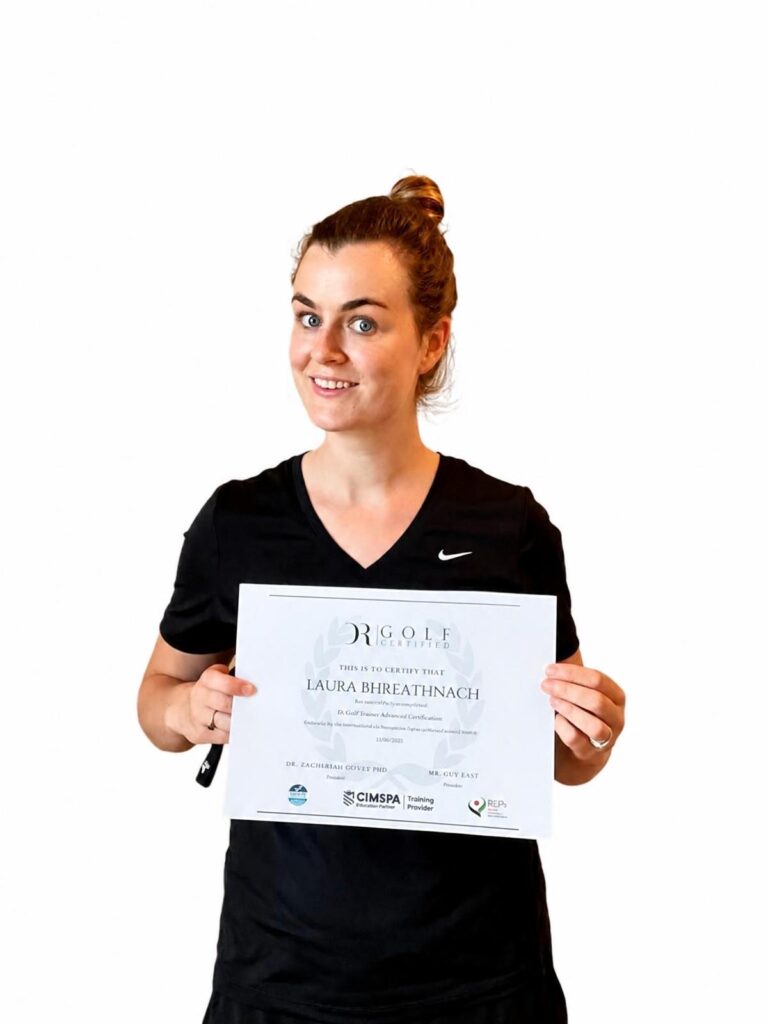
Special interest: the spine
Laura Bhreathnach
Laura holds a Diploma in Spinal Studies and an MSc in Advanced Physiotherapy from UCD. She worked on the multidisciplinary spinal triage service at the Mater Private Hospital, and is trained in the McKenzie method. She takes a long-term view: easing your pain now and helping you understand and manage your back for the future.
Appointments are also available with Ciara Sheridan, Senior Physiotherapist.
Back pain treatment you can claim for
Treatment with a Chartered Physiotherapist is recognised by the main Irish health insurers, so you may get part of each session back.
How much depends on your plan, so check with your insurer before booking.Price
Back pain assessment or follow-up
45 minutesExtended session
60 minutes, for long-standing or complex back painBack pain & sciatica FAQs
Should I rest in bed with back pain?
Generally no. Gentle movement and staying as active as you comfortably can usually helps recovery more than bed rest. We’ll show you which movements are safe and helpful for you.
Do I need an MRI for back pain or sciatica?
Most people don’t. Scans often show changes that are completely normal for your age and don’t explain your pain. If your symptoms suggest a scan or a consultant review is needed, we’ll advise you.
How long does sciatica take to get better?
Many people improve significantly within weeks to a few months with the right care. Your physiotherapist will give you a realistic timeline at your assessment.
Can physio help a slipped disc?
Yes. Physiotherapy is a first-line treatment for most disc-related back pain and sciatica, helping to ease pain, restore movement and build strength.
Can I keep working and exercising?
Usually yes, with some adjustments. We’ll help you modify your workstation, training and daily activities while you recover.
Book a back pain assessment
62 Baggot Lane, Ballsbridge, Dublin 4, close to Donnybrook, Sandymount and Ranelagh. Monday to Friday, 7am to 7pm.