
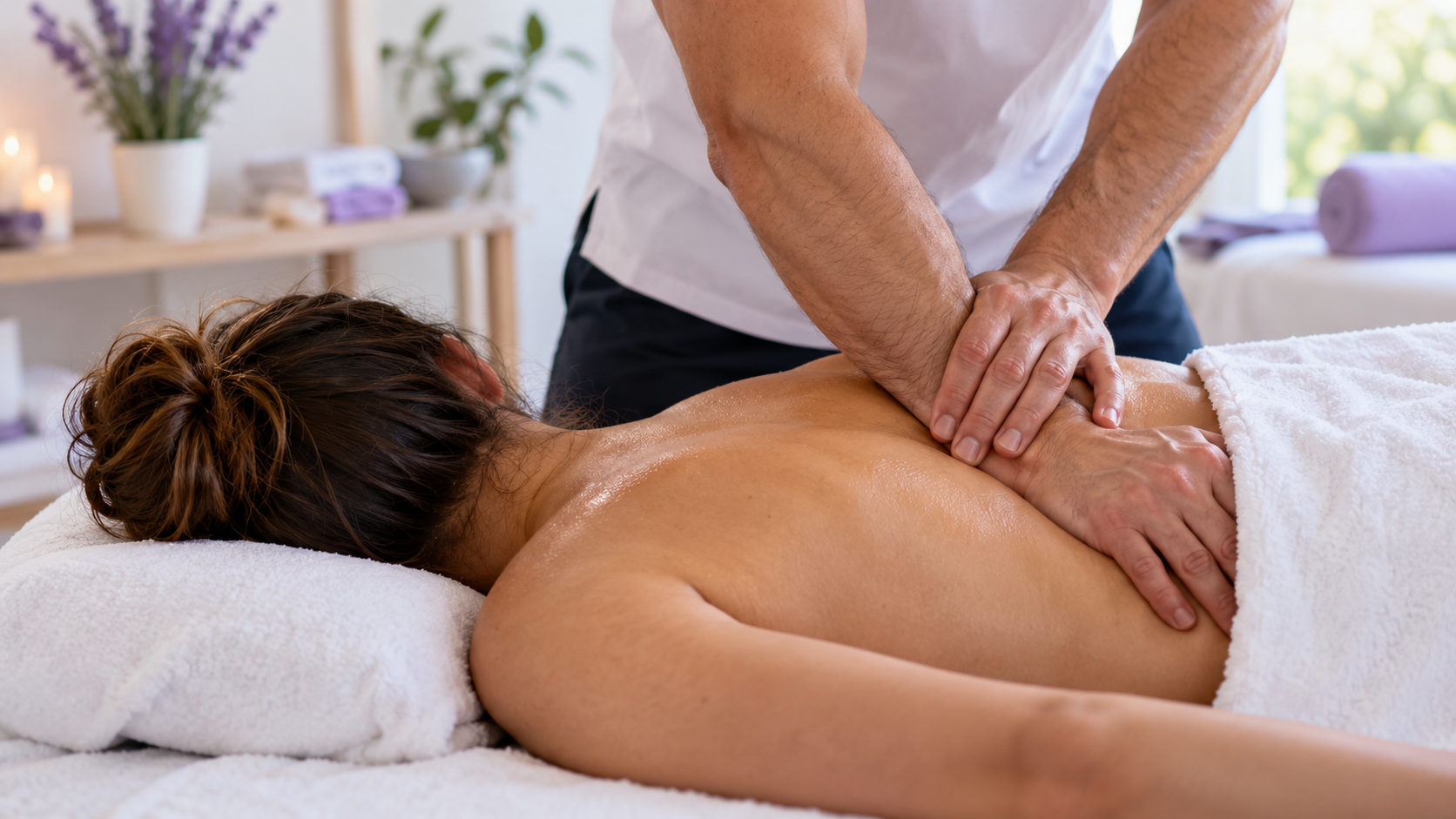
Sports Massage vs Deep Tissue Massage: What’s the Difference?
Book a massage anywhere and you’ll be asked to choose: sports massage or deep tissue? Most people pick whichever sounds more intense and hope for the best. But they’re not quite the same thing – and knowing the difference means you’ll get far more out of your hour on the table.
The short answer
- Deep tissue massage is a technique: slow, firm pressure into deeper layers of muscle
- Sports massage is an approach: a treatment built around how you move and what you do
- A good sports massage often includes deep tissue work – but only where it helps
- You absolutely don’t need to be an athlete for either
First, a myth: “no pain, no gain”
Let’s get this one out of the way. A massage doesn’t need to hurt to work. Firm pressure can feel intense in a tight area – that “good sore” feeling – but if you’re holding your breath, clenching your jaw or tensing up, your muscles are fighting the treatment rather than relaxing into it. The best results come from pressure that’s strong but tolerable. Always tell your therapist if you’d like more or less.
What is deep tissue massage?
Deep tissue massage uses slow, sustained, firm pressure to work into the deeper layers of muscle and the connective tissue (fascia) around them. It’s the technique people usually picture when they think of a “proper” massage: slow strokes, elbows and forearms, time spent on one stubborn spot.
It’s particularly popular for long-standing tightness – the shoulders and neck that carry a desk job, the calves that ache after years of running, the lower back that stiffens up by Friday. Think of it as a tool: a very useful one, but just one part of what a therapist can do.
What is sports massage?
Sports massage is a targeted form of massage therapy focusing on the muscles and soft tissues. The difference is that it isn’t a fixed routine. Your therapist starts by asking what’s going on – your symptoms, your training or daily activity, what you want to get from the session – and then chooses the right techniques for you. That might include deep tissue work, but also myofascial release, stretching, cupping, muscle scraping or strapping.
It can be used to address:
- Muscular tension and tightness
- Muscular stiffness
- Post-exercise soreness
- General musculoskeletal discomfort
- Recovery following training or physical activity
- Ongoing muscular maintenance for active people
Side by side
Deep tissue massage
- A specific technique
- Firm, slow, sustained pressure
- Focuses on deeper muscle layers
- Great for chronic, stubborn tightness
Sports massage
- A tailored treatment approach
- Varies pressure and technique
- Built around your activity and goals
- Great for recovery, maintenance and performance
“But I’m not sporty”
The name puts people off, which is a shame. Some of the tightest shoulders we see belong to people who spend eight hours a day at a laptop, not on a pitch. Parents lifting toddlers, people on their feet all day, weekend golfers and gardeners – all of them can benefit. Treatment is adapted to your symptoms, activity levels and goals, whatever they are.
Which one should you choose?
A quick way to decide:
- Choose deep tissue if you simply want firm pressure on a few familiar tight spots and know exactly where they are.
- Choose sports massage if you’re training for something, recovering from activity, have a recurring niggle, or want a treatment tailored to how you move.
- Not sure? Book a sports massage – it can include deep tissue techniques anyway, and your therapist will guide you.
Timing matters
If you’re booking around an event – a race, a match, a big round of golf – timing is worth thinking about. Very deep work right before an event can leave muscles feeling heavy, so many people prefer something lighter beforehand and a more thorough session a day or two afterwards. And it’s normal to feel a little tender for a day or so after deep work, much like after a good workout. Drink some water, keep moving gently, and it settles. (Golfers: pair massage with our Pilates for Golfers for mobility you’ll feel in your swing – or start with these 5 Pilates exercises to improve your golf swing.)
When massage isn’t enough: if your pain is sharp, getting worse, waking you at night, or linked to a specific injury, it needs assessing rather than massaging. Our massage therapists work alongside our Chartered Physiotherapists, so you can be referred for a physio assessment if needed.
Looking for something gentler?
Not everyone wants firm pressure. If you’re pregnant, our pregnancy massage is adapted with supportive positioning (here’s what to expect). And if swelling is your main concern, manual lymphatic drainage uses a very light, rhythmic touch that’s the opposite of deep tissue.
Frequently asked questions
Does deep tissue massage hurt?
It can feel firm and a little uncomfortable in tight areas, but it shouldn’t be painful. Always tell your therapist if you’d like more or less pressure.
Is it normal to feel sore after a massage?
Some tenderness for a day or so after deep work is common, similar to after exercise. If pain is severe or lasts longer, let your therapist know.
How often should I get a sports massage?
It depends on your goals and activity levels. Some people book around specific events, others every few weeks for maintenance. Your therapist can advise.
Can I claim massage on my health insurance?
Often, yes. Our massage therapists are IMTA members (recognised by Irish Life Health) and ANMT members (recognised by Laya Healthcare). Please check your policy for eligibility.
About the author
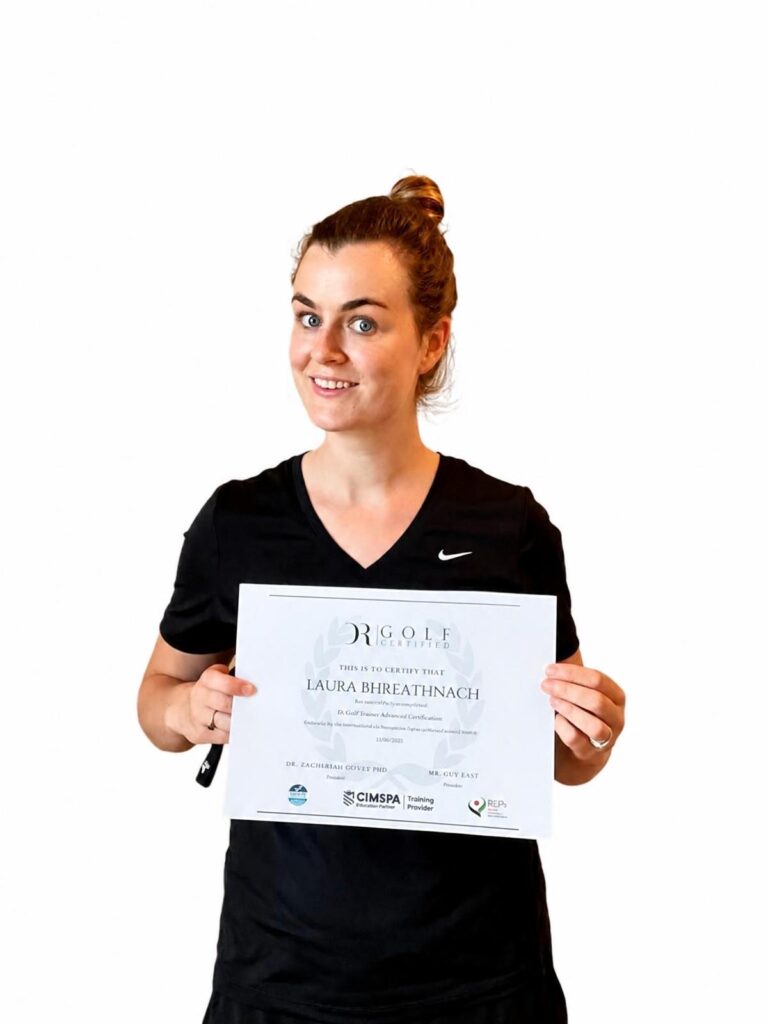
Laura Bhreathnach
Laura is the Managing Director and Senior Chartered Physiotherapist at PREP Physio in Ballsbridge. She holds an MSc in Advanced Physiotherapy from UCD and has over 10 years’ experience in private practice and elite sport, including Scottish Rugby and Scottish Golf.
Book an appointment at PREP Physio
62 Baggot Lane, Ballsbridge, Dublin 4 – Monday to Friday, 7am to 7pm.