
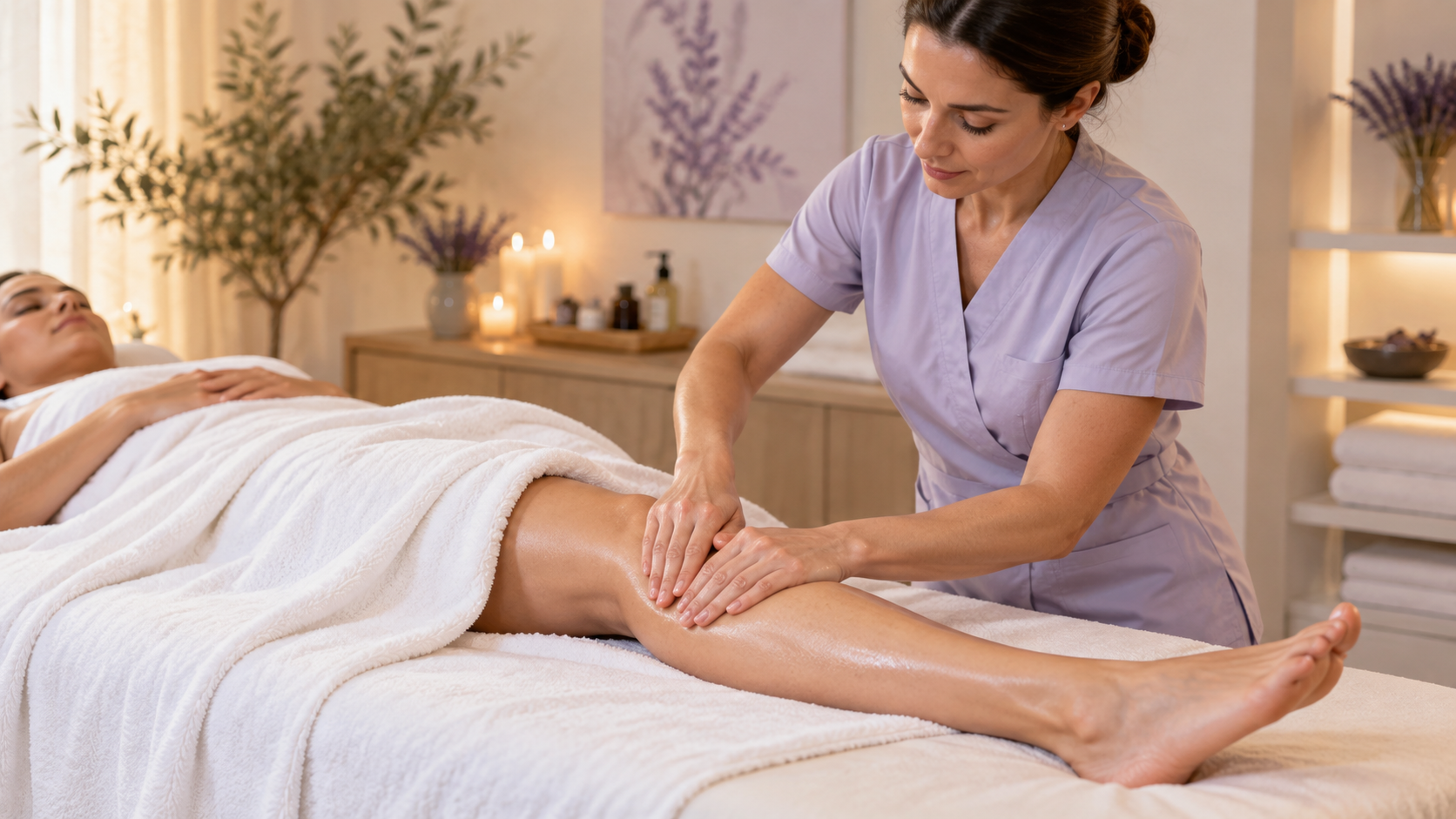
What Is Manual Lymphatic Drainage (MLD) and Who Is It For?
Manual Lymphatic Drainage (MLD) might be the gentlest hands-on treatment you’ll ever have – so gentle that people are often surprised it’s doing anything at all. Yet for the right person, it can be a genuinely helpful treatment. Here’s what MLD is, who it may help, who should check first, and what to expect.
The short answer
- MLD is a feather-light, hands-on treatment that works with your lymphatic system
- It uses light, rhythmic movements – the opposite of a deep tissue massage
- People most often ask about it for swelling – for example after surgery or injury
- It isn’t right for everyone, so some people need a doctor’s OK first
Meet your lymphatic system
Most of us learned about blood circulation at school, but the lymphatic system rarely gets a mention. It’s a network of vessels and nodes that collects excess fluid from your tissues and returns it to your circulation, playing an important role in your immune system along the way.
Here’s the interesting part: your blood has your heart to pump it around, but lymphatic fluid doesn’t have a pump of its own. It relies largely on muscle movement, breathing and the gentle contraction of the lymph vessels themselves. That’s why swelling often builds up when we’re less mobile – after surgery, after an injury, or on a long day spent sitting or standing still.
So what is MLD?
Manual Lymphatic Drainage (MLD) is a hands-on treatment that gently encourages lymphatic fluid along its natural pathways. If you’re used to massage, the first thing you’ll notice is how little pressure there is: the strokes are slow, soft and repetitive, almost like a stretch of the skin. The lymph vessels sit just beneath the skin, so firm pressure isn’t needed – in fact, the lightness is the point.
MLD vs a normal massage
Manual lymphatic drainage
- Very light, skin-level touch
- Slow, rhythmic, repetitive movements
- Aims to support lymphatic flow
- Deeply relaxing
Sports / deep tissue massage
- Firm pressure into muscle
- Targets tension and tightness
- Aims to ease muscles and aid recovery
- Can feel intense
(If firm pressure is what you’re after, read my guide to sports vs deep tissue massage.)
Who might MLD help?
The questions I hear about MLD usually come from people dealing with some kind of swelling. Common reasons to consider it include:
- Swelling after surgery or injury – once cleared by their medical team
- Heaviness, tightness and discomfort associated with swelling
- Fluid retention and puffiness
- Relaxation – many clients find it one of the most calming treatments they’ve ever had
Who should check first?
Because MLD affects how fluid moves around the body, it isn’t suitable in every situation – some heart, kidney and circulation problems, infections and certain types of swelling need a doctor’s input first. We’ll always ask about your health before treating you. If you have a diagnosed lymphatic condition, talk to the medical team who look after it before booking.
Important: swelling that is new, sudden or unexplained – especially in one leg, or with pain, redness, warmth or breathlessness – needs prompt medical advice, not a massage. Please contact your GP or emergency services.
What happens in a session?
- Health questions first. We go through your medical history and when and where the swelling started.
- Getting comfortable. You’ll lie on a treatment table, warm and supported.
- Gentle treatment. Slow, light, rhythmic movements tailored to you. It should never be painful – many people drift off.
- A plan. We’ll talk about how many sessions might help, and whether anything else – like physio – should be part of it.
At PREP Physio, MLD sessions are 90 minutes with our therapist Nicola Read. And because she’s part of a physiotherapy team, you have Chartered Physiotherapists on hand if you need more than MLD.
Getting the most from MLD
- Keep moving. Gentle walking and movement help your lymphatic system between sessions.
- Breathe deeply. Slow, deep breathing supports lymphatic flow – a nice habit for relaxation, too.
- Stay hydrated and wear comfortable, non-restrictive clothing to your appointment.
- Follow your medical team’s advice if you’re recovering from surgery – MLD works alongside it, not instead of it.
Can I claim it back?
Often, yes. Nicola’s IMTA and ANMT memberships mean MLD may be claimable on eligible Irish Life Health and Laya Healthcare plans – your own policy decides. My guide to claiming on your health insurance explains how.
Frequently asked questions
Does MLD hurt?
Not at all – the touch is so light that many people fall asleep during their session.
How is MLD different from a regular massage?
A regular massage works on muscles with firmer pressure. MLD uses very light, specific movements designed to support the movement of lymphatic fluid.
Is MLD suitable for everyone?
No. Some medical conditions and some types of swelling need a doctor’s OK first, and new or sudden swelling should always be checked by a doctor promptly.
How much does MLD cost at PREP Physio?
A 90-minute MLD session with Nicola is €140. You may be able to claim back part of the cost through your insurer – check your policy.
About the author
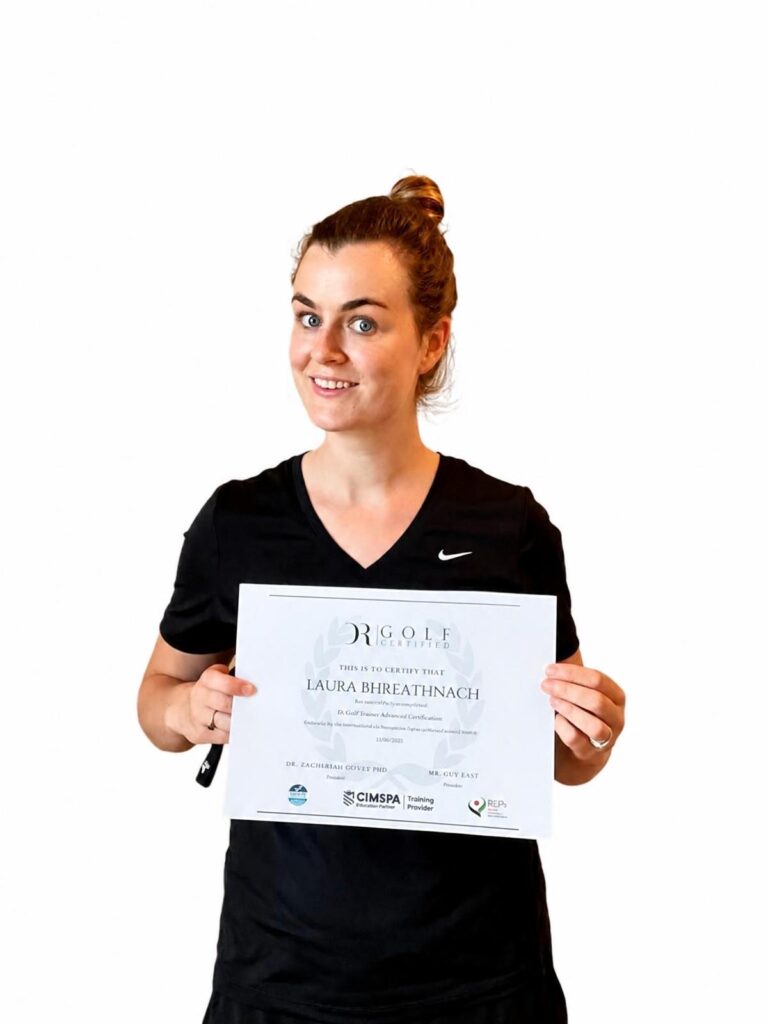
Laura Bhreathnach
Laura is the Managing Director and Senior Chartered Physiotherapist at PREP Physio in Ballsbridge. She holds an MSc in Advanced Physiotherapy from UCD and has over 10 years’ experience in private practice and elite sport, including Scottish Rugby and Scottish Golf.
Book an appointment at PREP Physio
62 Baggot Lane, Ballsbridge, Dublin 4 – Monday to Friday, 7am to 7pm.